
Frequently Asked Question
Kombucha & Health Benefits
What Is Kombucha and Its Origins?
Kombucha is a fermented tea based drink with tremendous health benefits. Kombucha has been around for thousands of years and originated in China. It is produced by culturing sweetened tea with a starter culture (or mother) generally known as a SCOBY, in which specific yeasts and bacteria are combined to produce enzymes that break down nutrients into simpler ones that can be absorbed by the body for energy. The rich probiotic properties make it ideal to restore the balance of good gut flora and improve overall health.
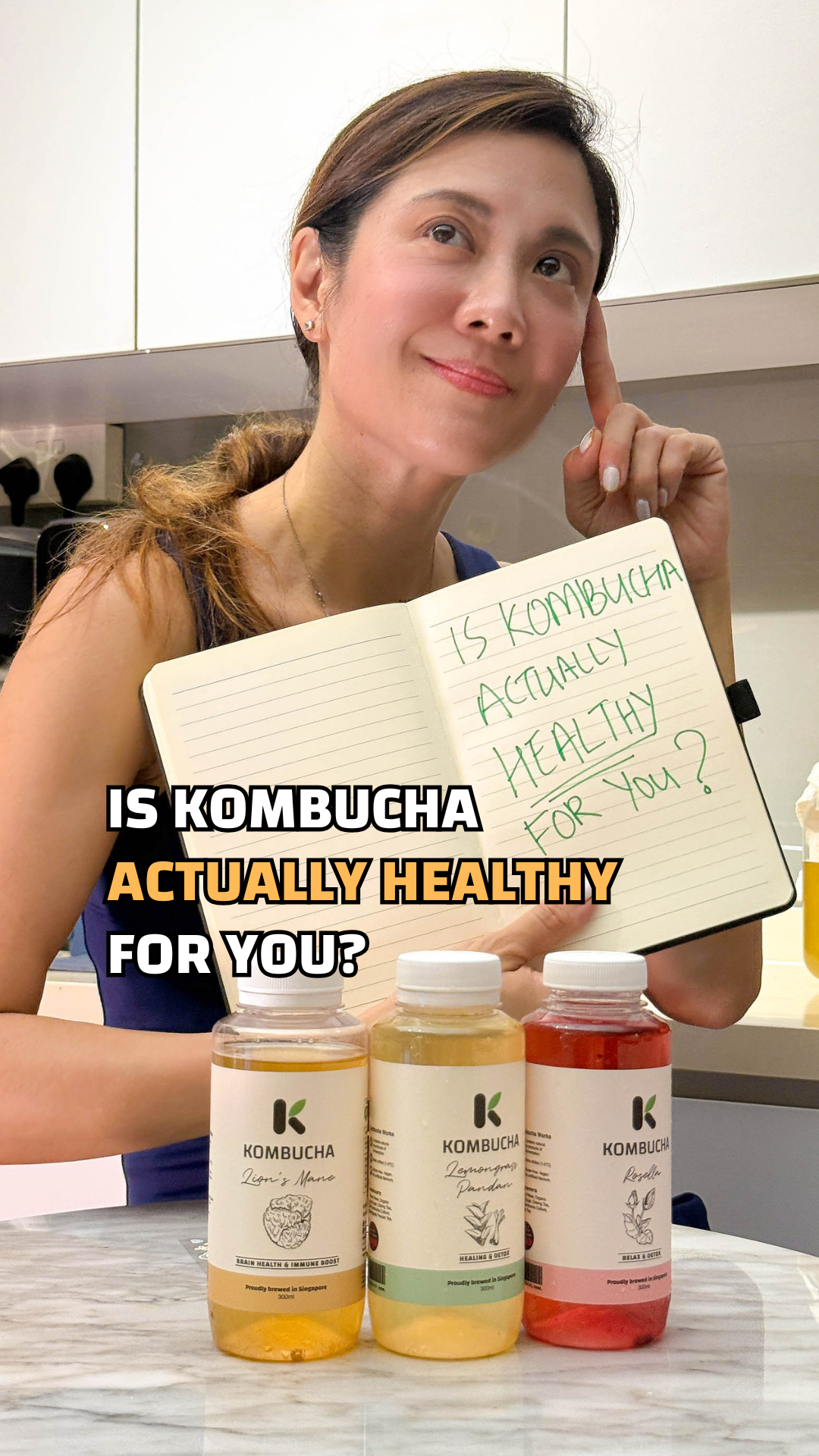
Is Kombucha actually healthy for you?
Scientific studies show that kombucha contains probiotics, antioxidants, and polyphenols that help with gut health, liver function, and even reducing inflammation. Plus, research suggests kombucha may support liver health, reduce heart disease risk, help manage type 2 diabetes, and provide protective effects against cancer.
Watch more details here.
Does kombucha contain alcohol? Is Kombucha Halal?
Does kombucha contain alcohol? Is kombucha ok for Muslims?
Kombucha naturally contains small amounts of alcohol due to the fermentation process, and the amount may vary depending on how it’s brewed.
According to MUIS (Islamic Religious Council of Singapore), ethanol content below 0.5% that do not intoxicate are generally halal. But, to be halal-certified, a product must pass a strict review of its ingredients, production, and packaging to ensure it meets halal dietary laws.
Additionally, interpretations of halal laws may vary across communities. If you're unsure, opting for halal-certified kombucha or consulting a trusted authority is the best way to go.
You can watch more here!
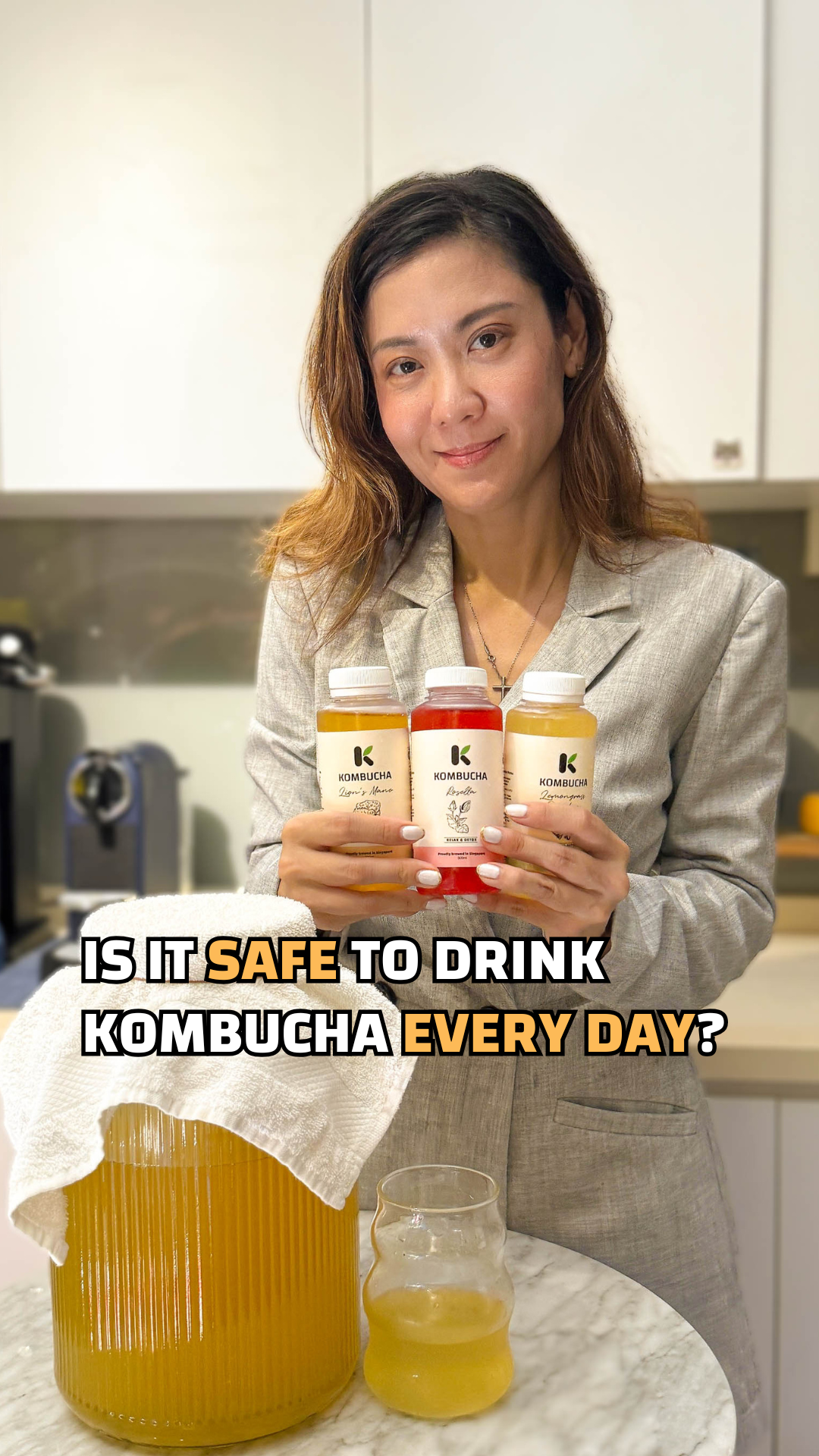
Is it safe to drink Kombucha every day?
Many people ask "Is it okay to drink a kombucha every day?"
✅ YES, it’s 100% safe! The CDC recommends about 4 to 8 oz (~120ml to ~240ml) per day. If you're new to kombucha, start small and listen to your body.
Watch more details here.
How much sugar and caffeine is in a bottle of Kombucha?
While there is a small amount of caffeine in Kombucha, it's still a much better choice than many other sugary energy drinks. The low sugar content makes this a healthier drink choice as well.
You can learn more here.
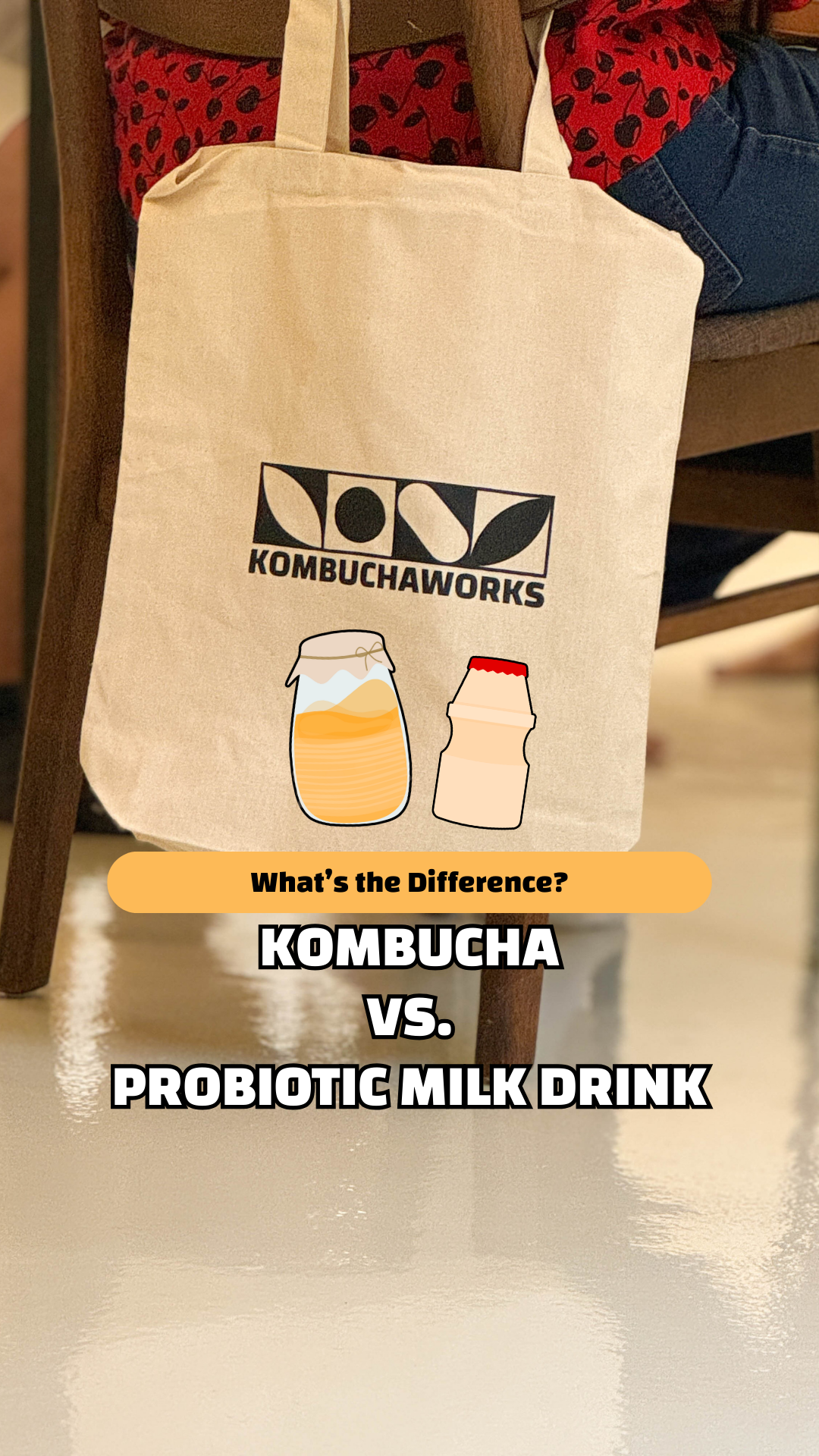
What's the difference between kombucha and probiotic milk drink?
Both probiotic milk drinks and kombucha are drinks that support gut health, but they’re quite different!
- Kombucha is a fermented tea, naturally dairy-free, and packed with probiotics and antioxidants—great for those seeking a plant-based gut health drink.
- Probiotic milk drinks are dairy-based and good for digestive health, especially if you like a creamy flavour.
Watch more details here.
Is Kombucha suitable for everyone? Can children drink Kombucha?
Everyone should be able to enjoy this delicious healthy beverage! You can start with half a cup (a small amount of 50 to 100ml) and increase it slowly over time to 1 cup (200 to 250ml).
As a general guideline for the young, old, pregnant or people with a weak immune system and special dietary requirements, please consult your doctor for any concerns. People with candida disease, compromised or susceptible immune systems to exercise caution when introducing Kombucha to diet.
Children can be introduced to Kombucha from a very young age. However, do start with a small amount of 50-100ml. Similar to introducing any new food to your children, give the Kombucha in small quantities or mix with juice or water.
Can I drink kombucha while pregnant or breastfeeding?
Kombucha naturally contains small amounts of alcohol and caffeine and is typically unpasteurized, which may carry risks during pregnancy. Please consult to your doctor for any concern.
Read the details here.
Can I give kombucha to my plants or pets?
It might sound surprising, but yes.
Kombucha can be used in creative ways beyond drinking! Some people use it to nourish their plants or even share it (carefully) with their pets. 🪴🐾
But before you try it out, check out our blog posts for the full guide and safety tips:


Kombucha Brewing
I’m brewing kombucha for the first time—what ingredients do I need?
New to kombucha brewing? Learn how to choose the right ingredients.
How to know when your homemade kombucha is ready?
"How do I know if my homemade kombucha is ready?"
Look out for the key signs like the shift from sweet to tangy taste, a light vinegary aroma, and natural fizz forming in the bottle.
We’ve put together a full checklist to guide you: Homemade Kombucha Checklist!
This clear, step-by-step guide outlines the key signs of readiness and helps you avoid wasted batches. 😉
What are those brown lumps/strands/strings that are floating in my Kombucha?
If you notice brown strands/lumps floating in your Kombucha, that’s perfectly normal, and it means your kombucha is alive. These are healthy culture strands, they are natural byproducts of the fermentation process of kombucha.
Should I strain my kombucha before drinking?
It’s totally up to you!
Some people love keeping the little bits of SCOBY and yeast for that authentic, homemade vibe, while others prefer a smoother drink.
Straining won’t affect the taste, it just changes the texture. Curious which way is best for you? Find out in our full guide here.
Why does the same kombucha flavour taste different for different batches?
We love the variation of tastes that come from our own Kombucha culture. However, as each "mother" (or SCOBY) is different, even our batches can vary slightly in taste and fizziness, which we find exciting!
Why does my kombucha have too much fizz?
If your kombucha turned out too fizzy or even exploded a little when opened—don’t worry, it happens!
Over-carbonation usually means your brew fermented a bit too long or bottled with too much sugar left. We’ve broken down exactly why this happens (and how to fix it next time) here.
Does Kombucha have an expiry date? How do I store my Kombucha?
The times you’re most likely to encounter mold are when temperatures are too high or a batch has gone bad. If your Kombucha feels cold and slushy, or tastes overly sweet or acidic, then it’s probably spoiled. The good news is that Kombucha does not actually expire; however, we put a “best before” label on our Kombucha as they are not pasteurised and the fermentation process continues even after bottling.
We recommend re-capping the bottle and placing it back in the fridge after drinking from it to prevent bugs from getting into it! If you prefer a more sour taste, let the drink continue to age for a few days and keep it at room temperature.
Need a break from brewing kombucha?
Going on holiday or just taking a breather from brewing?
No worries, your SCOBY’s got you covered! You can safely pause your kombucha routine without starting from scratch later. Learn how to rest your brew properly in our guide here.
How do I store my SCOBY?
We provide a fresh, healthy culture every time you receive your kit. Your SCOBY is live, so it doesn’t require refrigeration. If you just received your SCOBY, we recommend storing it at room temperature (away from direct sunlight and heat) until you are ready to brew. If you are in-between brews, just put it in a jar with a cloth cover much the same as your primary fermentation.
Should I wash my SCOBY?
❌ Please don’t. Washing your SCOBY is one of the quickest ways to damage the healthy bacteria and yeast that make kombucha.
That brown stuff is not dirt — it’s actually spent yeast and a natural part of fermentation. Stripping it off means disrupting the balance your brew needs to thrive. Think of it like disturbing a happy ecosystem.
Unless it smells really off or shows fuzzy mould (blue, black, green), your SCOBY is doing just fine! Read more details here.
Does SCOBY thickness matter?
Not really! A thick SCOBY doesn’t always mean a stronger brew.
The real magic happens in the fermentation process, not the layers. We’ve shared how SCOBY thickness affects your brew (and what to do if yours looks “too thick”) in our post here.